
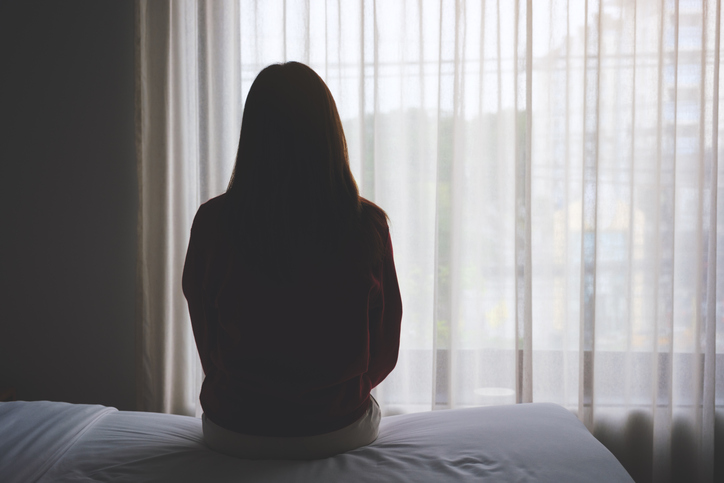
If anxiety shows up at night, you are not alone. Many people hold it together during the day, then feel overwhelmed in the quiet.
The loop is familiar:
- Anxiety disrupts sleep
- Poor sleep increases anxiety
- The next night becomes harder
This article focuses on steps that can help tonight, and a clear line for when it is time to seek professional support.
Why anxiety gets worse at night
At night there are fewer distractions. Thoughts get louder. Body sensations become more noticeable. After even one bad night, your brain can begin to associate bedtime with threat.
What helps tonight
- Stop trying to force sleep. If you are awake more than 20 to 30 minutes, get out of bed briefly and return when sleepy.
- Reduce stimulants. Caffeine after noon can matter more than people realize. Alcohol can disrupt sleep later in the night.
- Make the room a sleep cue. Cool, dark, quiet. Phone away from reach.
- Use a predictable wind-down. Warm shower, light stretching, paper book, calm music.
- Give your mind a place to put thoughts. Write a worry list earlier in the evening and note one next step for each item.
- Reset breathing. Breathe in for 4 seconds, exhale for 6 to 8 seconds.
When it is time to get help
Consider support if:
- Sleep is disrupted most nights for more than 2 to 3 weeks
- Anxiety is present throughout the day, not just at night
- Panic symptoms appear at bedtime
- You are using alcohol or other substances to sleep
- You feel unsafe, hopeless, or unable to function
How Oceans can help
If anxiety and insomnia are affecting your health and functioning, our team can help you understand options and identify an appropriate level of care.
FAQ
Why does anxiety cause insomnia?
Anxiety keeps the nervous system activated. It increases physical arousal and mental rumination, which makes it harder to fall asleep and stay asleep.
What can I do right now if I can’t sleep from anxiety?
Use longer-exhale breathing, get out of bed briefly if you are stuck awake, reduce stimulation, and follow a consistent wind-down routine.
Resources
What Is Insomnia? (NHLBI, NIH): https://www.nhlbi.nih.gov/health/insomnia
Insomnia: Diagnosis (NHLBI, NIH): https://www.nhlbi.nih.gov/health/insomnia/diagnosis
Anxiety Disorders (National Institute of Mental Health): https://www.nimh.nih.gov/health/topics/anxiety-disorders
What is insomnia? (NIH MedlinePlus Magazine): https://magazine.medlineplus.gov/multimedia/what-is-insomnia